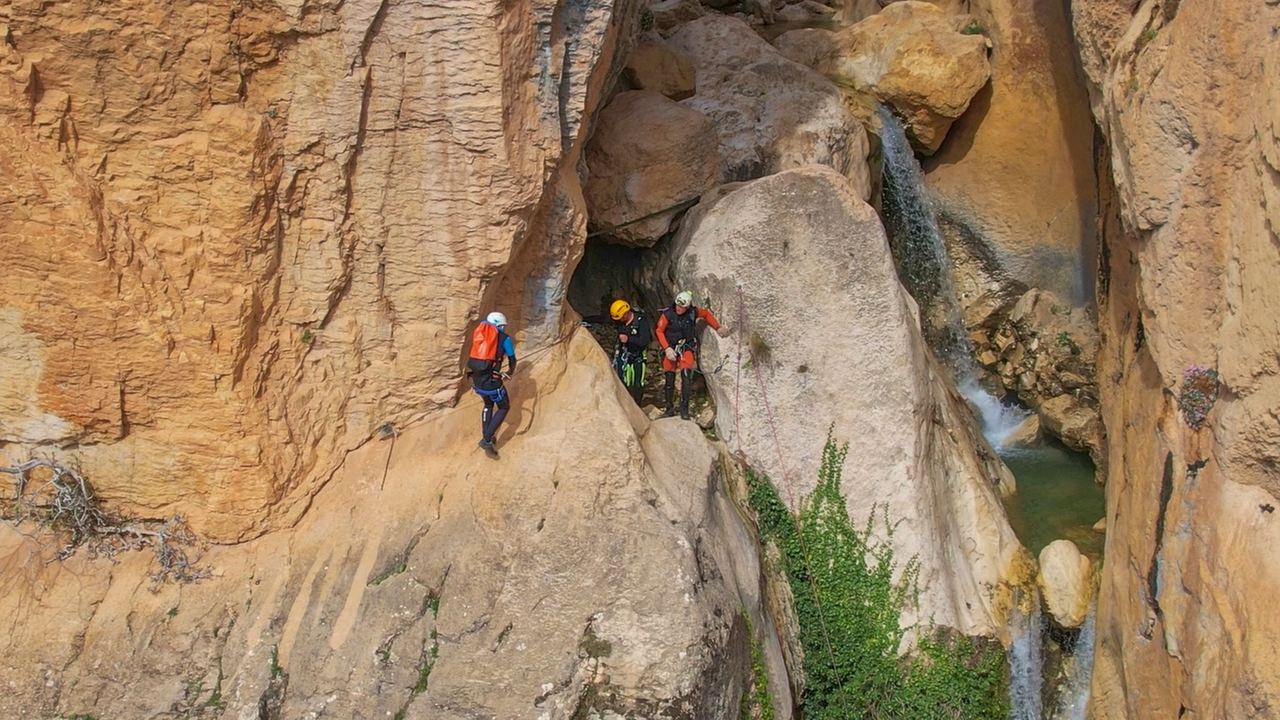
Both, and the label on a listing does not tell you which. Canyoning is a guided descent of a stream channel on foot, by rope and in the water, and the sources we read say three things about it: a grade describes only the hardest section of a canyon, the water changes a canyon from one day to the next, and people who guide for pay should hold a recognized qualification. This page sets out what each source says, as we read it on 2026-10-27.
This page gives general information from the sources named on it, as we read them on the dates shown. It is not medical, legal or safety advice. Rules and conditions at a waterfall can change within hours: follow the signs, the park and your guide, and see a doctor or your public health authority for health questions.
We earn a commission when you book a tour through the links on this site, at no extra cost to you. It does not change what we write: this page also says when a tour is not worth buying. How we are paid is explained in our Editorial Policy.
What is canyoning, and where do tours run?
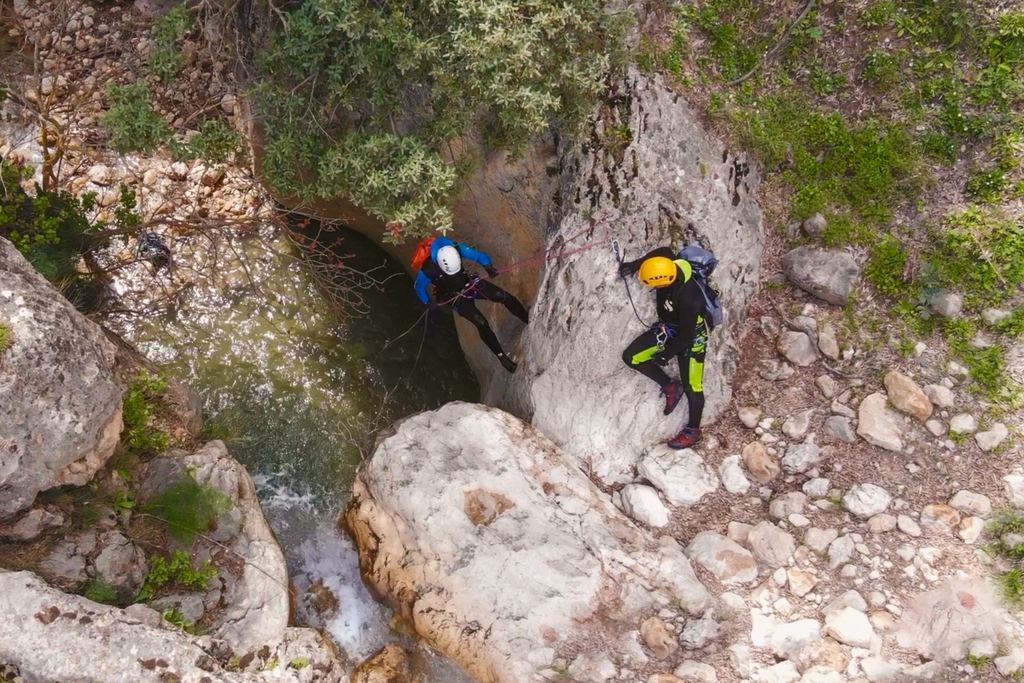
A tour operator in the Azores, Futurismo, defines canyoning on its own FAQ page as traversing a canyon or gorge, and says it includes hiking, climbing, swimming and rappelling, which is a fair summary of what the other pages describe. The difficulty is that the mix differs from canyon to canyon: one descent is a walk in a stream, another is a rope-and-pool route in a gorge. Our pages for Arenal, Jaco, Madeira and the Azores list tours that involve canyoning. Read the listing. The category name tells you little about what the day involves.
How is a canyon graded?
Canyoning Australia, the Australian canyoning association, says on its grading page that it uses the French mountain climbing federation's system, known as FFME, because it has become the de facto international grading system. A grade has three parts: a vertical number from 1 to 7, an aquatic number from 1 to 7, and a Roman numeral for commitment, with an optional star score for quality. The page's own example is v3a2III with two stars.
Three warnings stand out. They matter more than the numbers. The grade describes the most difficult section of the canyon, so it cannot tell one hard move from hard moves in a row. Jumps are treated as optional when the grade is set. And canyons change with every flood, to the point that the initial grade may change.
| Part of the grade | What it measures | A level from the scale |
|---|---|---|
| v1 to v7 | Vertical difficulty: rappels, anchors, climbing | v1: no rappels, rope normally unnecessary. v3: low vertical flow, rappels land in pools with calm water |
| a1 to a7 | Aquatic difficulty: swimming, current, jumps, slides | a1: no water or calm water, swimming optional. a4: prolonged immersion in cold water, moderate current in places |
| I to VI | Commitment: how quickly you can leave in a flood, and total time | I: escape is easy throughout, total time less than 2 hours. III: able to get out of a flood in less than 30 minutes |
| 0 to 4 stars | Quality of the canyon, optional | Example on the page: v3a2III** |
What does the Roman numeral tell you?
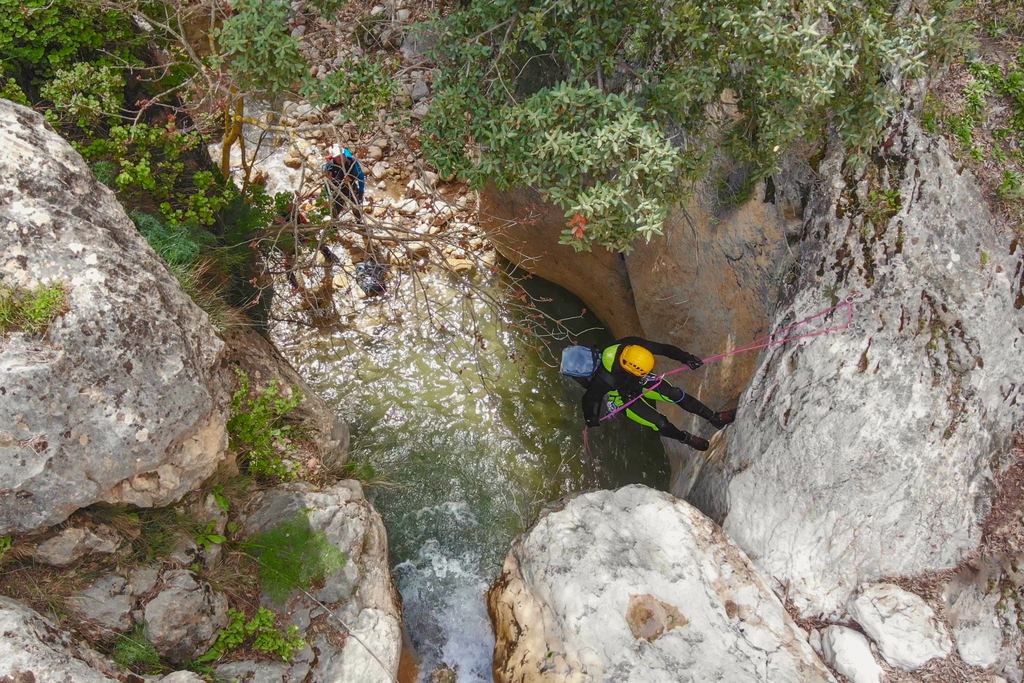
In our reading, the commitment numeral is the part of the grade a first-timer is least likely to ask about. It does not describe difficulty. On the Canyoning Australia scale it describes how fast you can get out if the water rises: numeral I means escape is easy throughout, numeral III means the page expects you to be able to leave a flood in less than 30 minutes, and each step up lengthens the time and the exposure. A tour that stays on the easy end of that column is a different purchase from one that does not.
The operator pages we read mostly skip the system. Madeira Adventure Kingdom sorts its routes into Level 1, Level 2 and Level 3, and its page does not say which scale those levels belong to. The two do not convert. We have not turned Level 2 into a number, and a reader should not either. When a listing gives a level and nothing else, ask what it measures.
A number on a listing is a claim until it names its scale.
Who should guide a canyoning trip?
The International Commission for Alpine Rescue, known as ICAR or IKAR, issued Recommendation 3 of its terrestrial rescue commission in 1999 and revised it in 2022. It calls canyoning a potentially highly dangerous mountain sport and says that guiding groups needs the highest mountaineering and aquatic competency. People who guide on a commercial, paid basis, it says, must hold a nationally recognized training certification. It is a recommendation.
Switzerland has written part of that into law. An English translation of article 5 of the federal ordinance SR 935.911 says that aspiring mountain guides may guide canyoning if they have completed additional training with the Swiss Mountain Guide Association, or hold a diploma recognized by the IFMGA, and work under the supervision and joint responsibility of a licensed mountain guide. The site that hosts the translation says it is not an official publication.
Canyoning Australia puts the same idea in softer terms. Its ethics page asks canyoners to avoid canyoning in conditions they are not equipped or prepared for, in skill, experience or equipment, and to build capability through training, education and mentorship. It calls these guiding moral principles, not a list of hard and fast rules. The uncomfortable detail is on an operator's page. The Madeira page names a certifying body for its guides in the body text and a different one in a guide's biography. We did not check either body's register, and a certification named on an operator's own page is the operator's claim. Ask which qualification the guide holds and who issued it.
What do park services say about floods and cold?
The National Park Service pages for Zion are about the Narrows, a hiking route in a slot canyon, not about guided canyoning, and we use them for the principle. The Zion safety page says flash floods are often caused by storms miles away and that a flood can rush down a canyon in a wall of water 12 feet high or more. Before entering a narrow canyon, it says, speak with a ranger or read the conditions, forecasts and flash flood potential, and if bad weather threatens the area, do not enter narrow canyons. The same page calls hypothermia a greater hazard in narrow canyons, because immersion in water is the quickest way to cool the body, and advises against cotton clothing. Weather decides.
That matches what a guided day depends on: the weather the night before and the weather upstream. Our judgment is that a guide who says the day is off should be believed.
Does a beginner label mean low risk?
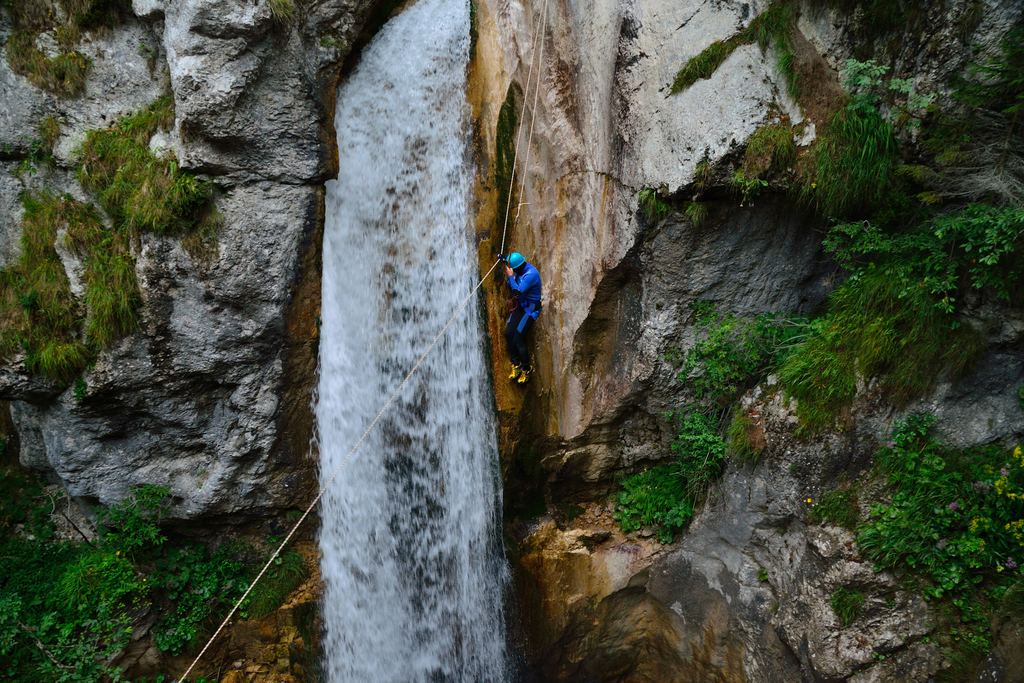
A short column in the magazine of the Wilderness Medical Society, Does Canyon Difficulty Predict Injury?, reviewed 179 accident reports from two community-run databases that depend on voluntary reporting. It applied the ACA technical grades and water ratings, and its statistical testing did not find a significant association between canyon difficulty and injury severity. The authors say the rating system is useful for communicating terrain difficulty but should not be viewed as a standalone predictor of risk.
They add two cautions. Beginner canyons appear more often in the reports, which likely reflects exposure, since more people with a broader range of experience attempt them. And the numbers cannot be read as equal risk between beginner and advanced canyons, because the databases rely on voluntary reports, lean towards serious or unusual events and have no denominator, which is why we quote no counts from them here. The point we take from it is narrow. A beginner label tells you about terrain, and the authors point to flash flooding and anchor failure as examples of what can go wrong in any technical canyon. It says little about the rest.
A beginner grade describes a canyon. It does not describe your day in it.
Is canyoning for non-swimmers?
The operators answer differently, and the grade scale answers differently again. Futurismo's FAQ says it is not mandatory to know how to swim but it is recommended, and asks you to tell the guide so that the tour can be adjusted. Madeira Adventure Kingdom describes its Level 1 route as a gateway for anyone who can walk and is not afraid of getting their hair wet. The Canyoning Australia scale sets the lowest aquatic grade at no water or calm water, with swimming optional, and the next at swims of less than 10 m in calm water. Three sources, three framings, and none of them states a single rule.
Ask before booking. Three questions will do: how far you will be in deep water, whether a flotation aid is provided, and what the guide does if someone cannot swim the section. We did not find those answers on every listing we read.
What does a listing state?
The table below shows what three operators' own pages say, read on 2026-10-27. It is a sample of three, and it does not describe the sector. The operator Desafio runs both Arenal listings below, and its Gravity Falls page adds that it is for physically fit travelers and offers four optional jumps of varying heights.
| Listing | Equipment and briefing the page lists | What it says about fitness or experience |
|---|---|---|
| Desafio, Lost Canyon (La Fortuna, Costa Rica) | Professional bilingual guides, a briefing, adventure and safety equipment, towels; bring closed-toe shoes, no sandals | A recommended age range and maximum weight; not recommended after recent surgery or with serious medical conditions |
| Desafio, Gravity Falls (La Fortuna, Costa Rica) | The same inclusions; four optional jumps | Written for physically fit travelers |
| Madeira Adventure Kingdom (Madeira, Portugal) | Wetsuit, helmet and harness provided; full briefings; certified guides | No previous experience needed, but a basic level of fitness helps; Level 1 for anyone who can walk and is not afraid of getting their hair wet |
| Futurismo (Sao Miguel, Azores) | Guides with you; we found no equipment list on the page | Swimming not mandatory but recommended |
Is canyoning scary?
The pages we read describe the frightening parts openly. Desafio lists a 200 foot waterfall rappel in its Lost Canyon tour and four optional jumps in Gravity Falls, and Madeira Adventure Kingdom says it tailors the pace to your comfort level. The grading scale agrees on one thing: the aquatic scale treats jumps as optional when the grade is set.
Then there is a sentence that does not sit comfortably with the rest. The same Futurismo FAQ that defines canyoning also answers the question of whether canyoning is dangerous with a no, saying its guides are with you and every security aspect is covered. The rescue commission's recommendation calls the sport potentially highly dangerous. Both can be true. They can be written in good faith, because one describes a guided day and the other describes the activity. We would read the operator's line as a description of its own service, and the commission's as a description of the sport.
When is a canyoning tour not worth booking?
This is our judgment, built on the sources above and not quoted from any of them. We would pass on a listing that describes the canyon only in adjectives and names no grade, level or hardest rappel, on one that does not say what equipment is provided or who guides, and on one that lists jumps without saying they are optional, if jumping is the part you do not want. Check the forecast too. It is the one condition that the sources above agree can change the day.
The listings in our catalog vary in how much of this they state, and we earn a commission on all of them. A listing that answers those questions is worth more than one with a better photograph. Start with the pages for Arenal or Madeira if you want to see the questions applied.
Is it canyoning or canyoneering?
Both words appear in the sources, and none we read defines a difference. Canyoning Australia and Futurismo write canyoning. The Wilderness Medical Society column writes canyoneering, and its databases carry the same word. Same sport, two names. We treat them as one activity, and we use the word each source uses when we quote it. Swimming rules around waterfalls are a separate matter, covered in our guide to swimming, and the hazards that apply to any waterfall are in our guide to waterfall safety rules. What to bring is in the packing guide, and how to read any tour listing is in the tour checklist. All of them sit under trip planning.
Quick answers
Is canyoning scary for a first-timer?
The pages we read describe rappels and jumps openly, and Desafio and the Canyoning Australia scale both say jumps are optional. Madeira Adventure Kingdom says it tailors the pace to your comfort level. Read on 2026-10-27; listings change.
Do I need to be a strong swimmer?
It depends on the canyon and the operator. Futurismo says swimming is not mandatory but recommended, and the lowest aquatic grade on the Canyoning Australia scale is no water or calm water with swimming optional. Ask the operator how far you will swim.
Does a beginner grade mean low risk?
The Wilderness Medical Society column says a rating should not be viewed as a standalone predictor of risk. It also warns that its data cannot be read as equal risk between beginner and advanced canyons.
Who is allowed to guide canyoning?
It depends on the country. ICAR recommends that anyone guiding for pay hold a nationally recognized training certification, and Switzerland sets conditions in a federal ordinance. We did not find a rule that applies everywhere.
Can rain cancel a canyoning day?
Canyoning Australia says canyons change with every flood, and Zion National Park says not to enter narrow canyons if bad weather threatens. A guide's call to cancel is a reason to listen, not to argue.
Data verified on . Each source was read on 2026-10-27. The grading scale is Canyoning Australia's description of the FFME system. Listings change: check the official site before you go. Editorial Policy
Read an Arenal canyoning listing with these questions
We earn a commission if you book through this link. A good listing states the grade or the hardest rappel, what is provided, and who guides.